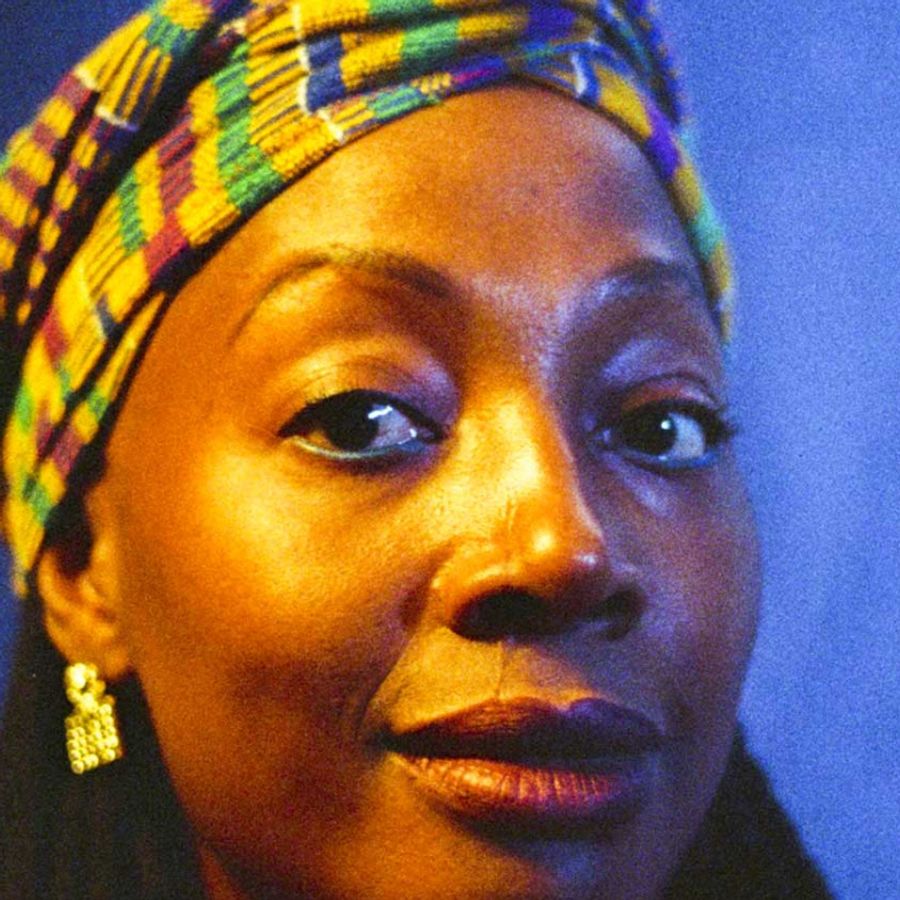
Germaine Acogny: Josephine © Maxime Dos

AS WE ARE

Germaine Acogny & Alesandra Seutin / Gregory Maqoma
zo 4 okt 20:00 - 21:25
A double bill of memory, resistance and becoming human
  • 4 okt
    20:00 - 21:25
    TR25 Schouwburg, Rotterdam
    Grote zaal

Everything comes together in an evening where two great artists confront history. Josephine and Bantu are the latest works of two powerful choreographic voices that do not illustrate history but break it open. In both pieces, the body takes center stage as an archive of colonial imagination, history, resistance, and redefinition.

Nederlands

Josephine & Bantu brengt twee krachtige choreografische stemmen samen in één avond die geschiedenis niet illustreert maar openbreekt. In beide werken staat het lichaam centraal als archief: van koloniale verbeelding, van doorgegeven verhalen, van verzet en herwaardering.

De avond onderzoekt hoe lichamen worden gezien, gevormd en gelezen, en wat er gebeurt wanneer die blik wordt teruggedraaid of doorbroken. Dans wordt hier geen representatie, maar een actieve bevraging van beeldvorming, afkomst en eigenaarschap.

Josephine – Germaine Acogny & Alesandra Seutin

Josephine brengt twee iconische vrouwen samen: Josephine Baker en Germaine Acogny. Twee lichamen, twee geschiedenissen, één geladen dialoog. Baker, wereldster en geprojecteerd icoon van exotisme, die dat beeld tegelijk belichaamde en ondermijnde. Acogny, grondlegger van de Afrikaanse hedendaagse dans, die het lichaam inzet als politiek en poëtisch verzet.

De voorstelling graaft niet naar een glanzend eerbetoon, maar naar frictie. Naar hoe lichamen worden bekeken, gebruikt, herinnerd en heruitgevonden. Hier wordt niet verteld, maar ontregeld. Niet verheerlijkt, maar bevraagd.

Op het podium ontstaat een spanningsveld tussen archief en aanwezigheid, tussen koloniale beelden en eigenaarschap. Dans wordt taal, en die taal weigert zich te laten temmen.

Bantu – Gregory Maqoma

Bantu vertrekt vanuit de oorsprong van het woord: mens zijn, verbonden zijn. Maar in deze voorstelling is dat geen romantisch idee, eerder een hersteloperatie. Een terugkeer naar wat is afgebroken, weggehaald of vergeten.

De dansers dragen geschiedenis in hun lijf. Niet als concept, maar als fysieke realiteit. In ritme, breuk en herhaling ontstaat een taal die ouder is dan woorden. Een taal van adem, botten en beweging.

Bantu is tegelijk rouw en wederopstanding. Het podium wordt een plek van herinnering én opstand, waar elk gebaar zegt: ik besta, wij bestaan, wij blijven bestaan. 

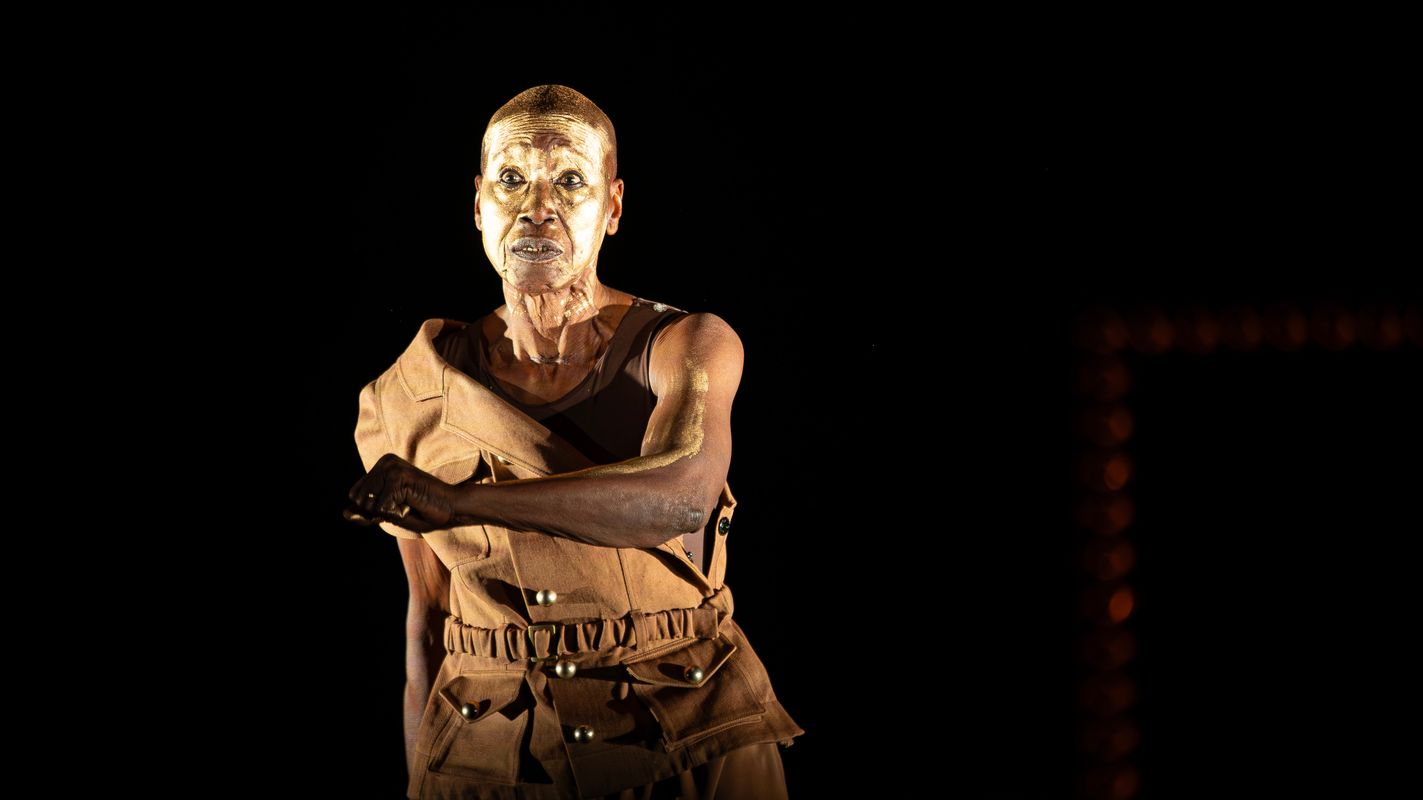
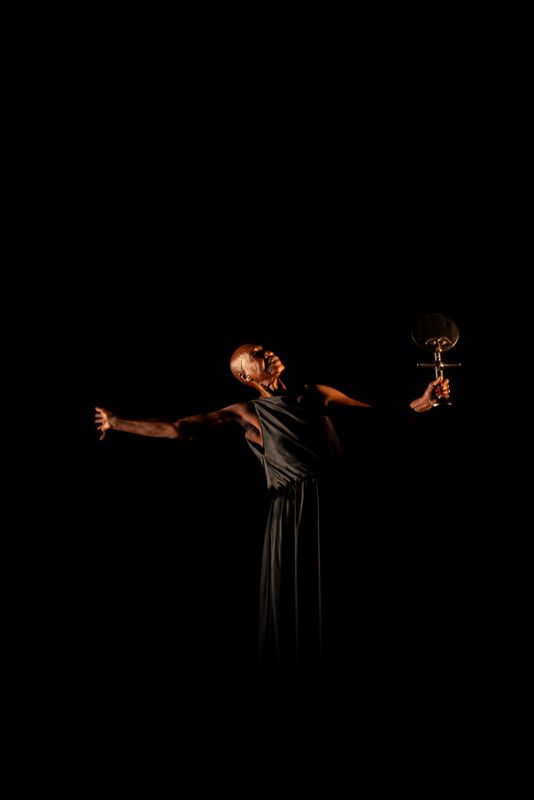
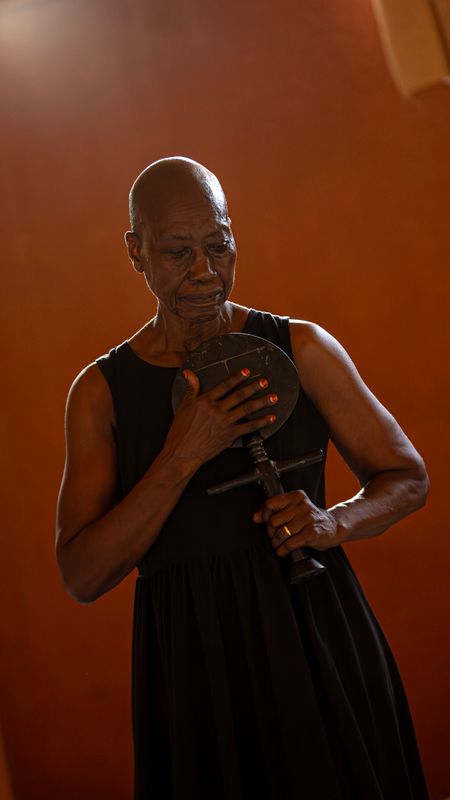
At 82 years old, Germaine Acogny is a legendary dancer, teacher, and choreographer. The former "spiritual daughter" of Maurice Béjart embodies the life and struggle of the famous Josephine Baker in the solo Josephine. The iconic revue artist who became a symbol of freedom with her resistance to racism, her fight against racial segregation, and her activism for civil rights and equality. Acogny brings her back to life and presents a meeting of connected spirits that is so natural that it is moving.

Without the influence of Germaine Acogny, dance in Africa would look different today. Through her school, École des Sables (School of the Sands), she has inspired and trained many dancers and choreographers. In recent years, she toured with a reinterpretation of Pina Bausch's Le Sacre du Printemps, featuring 30 African dancers from 14 African countries. And now Acogny is back on stage with Josephine.

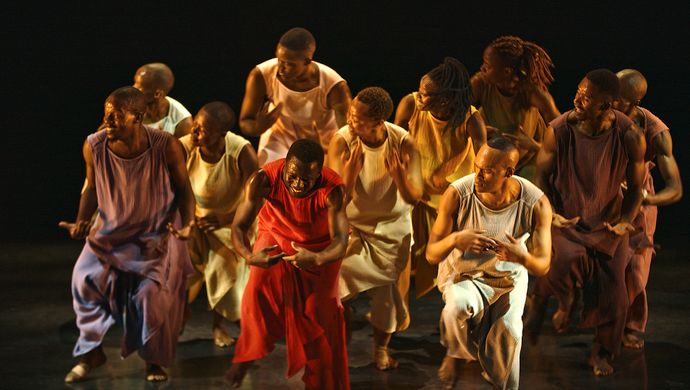
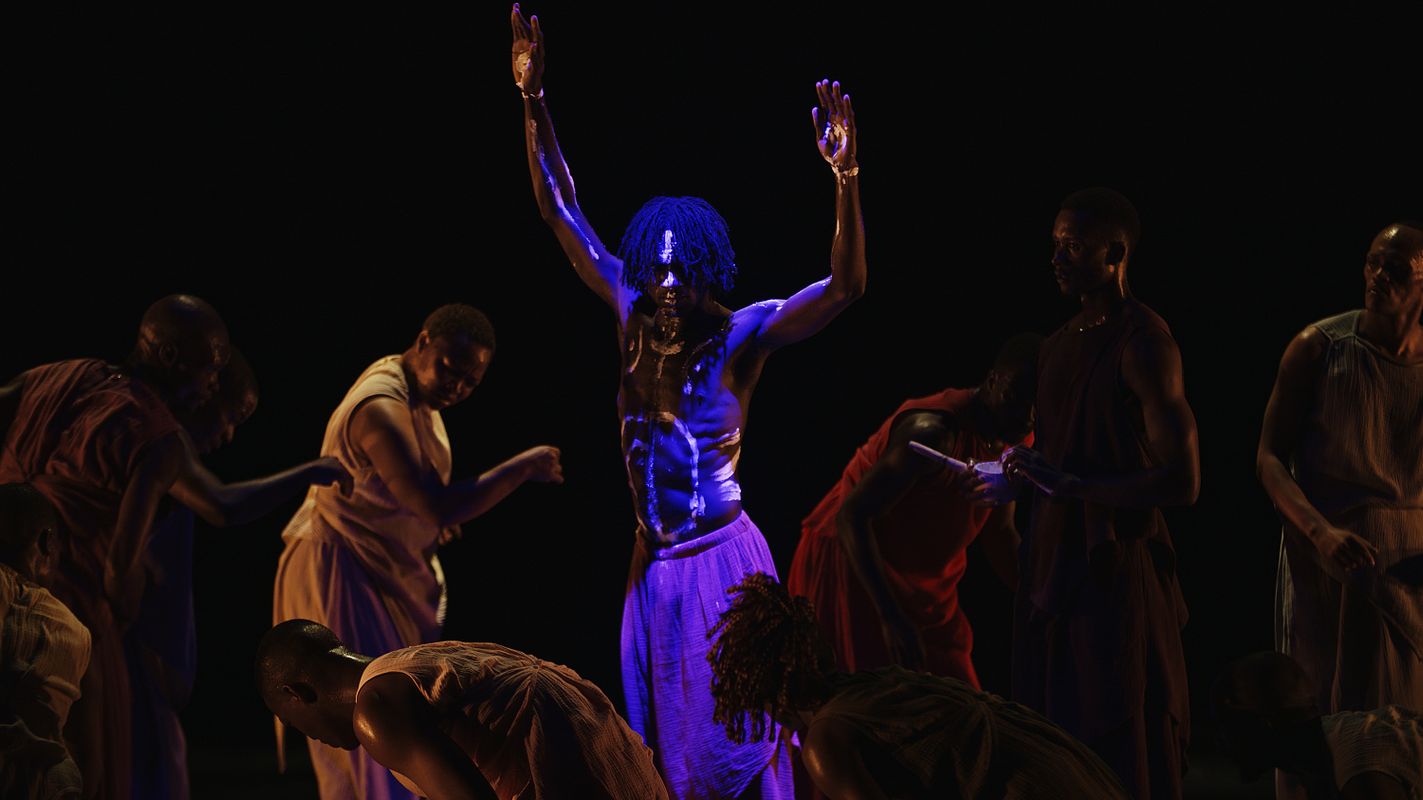
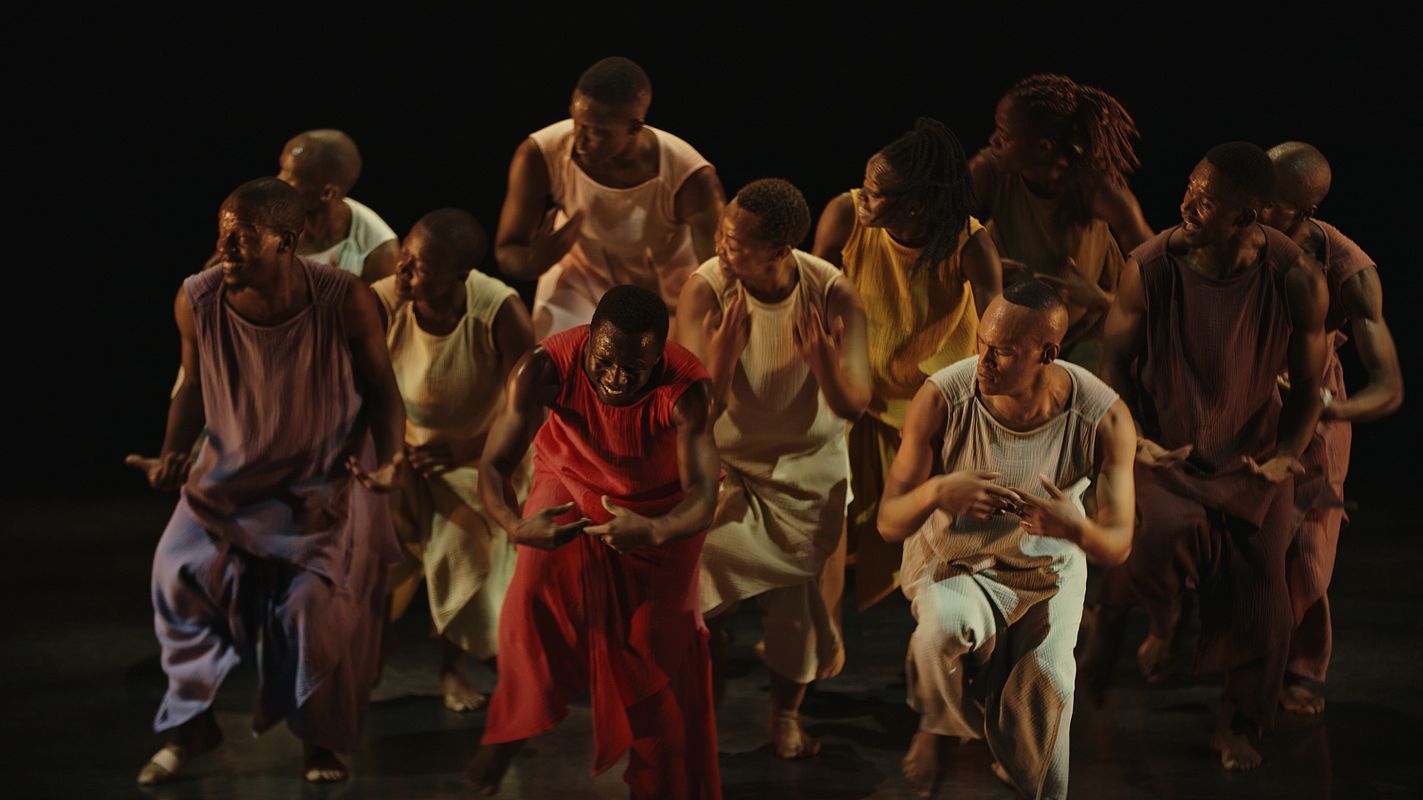
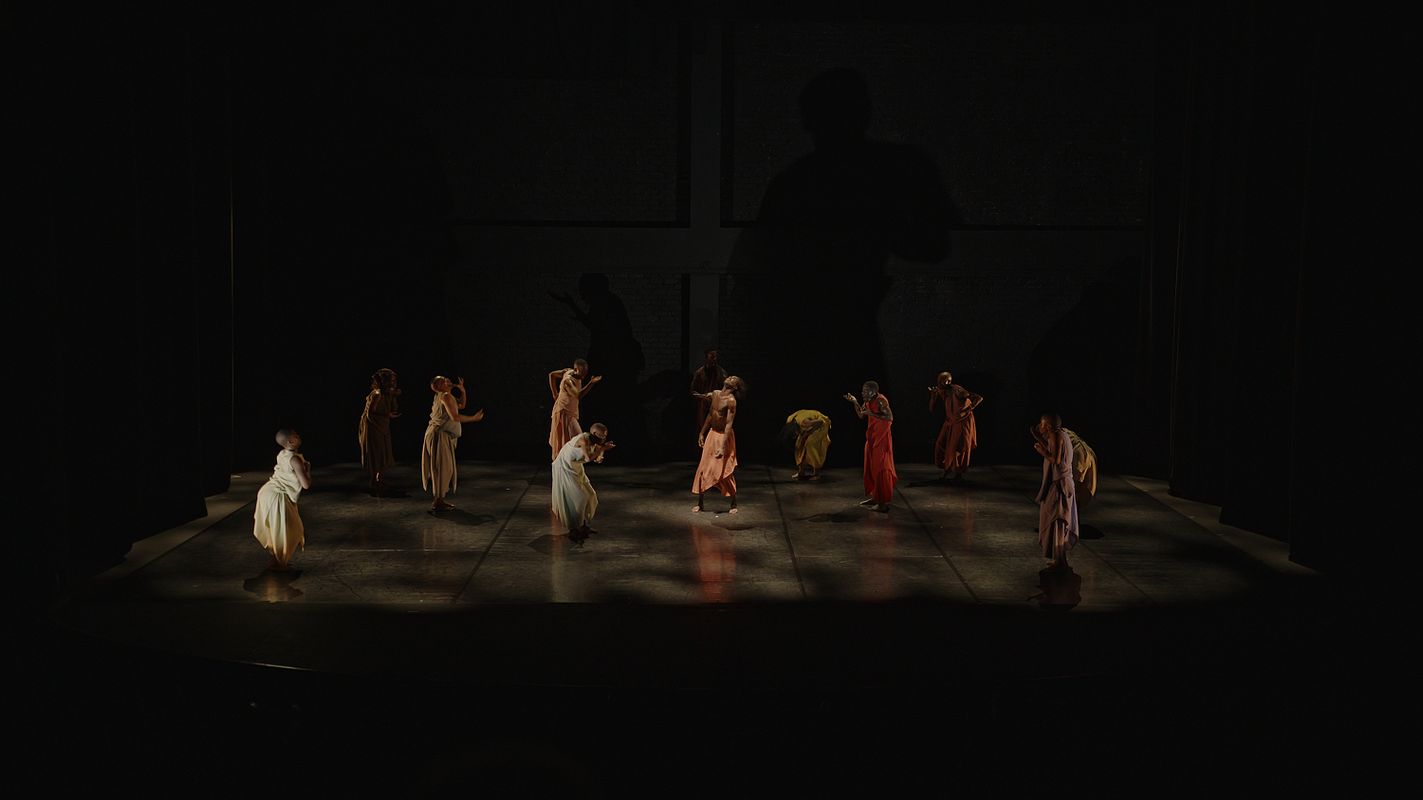
Gregory Maqoma responds to this solo with Bantu, a creation for twelve dancers from different traditions, who unite their practices in a joyful brotherhood that pays homage to the teachings of Germaine Acogny and her École des Sables. Bantu begins at the origin of the word: being human and being connected. Bantu is a celebration of life without ignoring the social reality of the continent. It is an energetic dance piece that strives for universal humanity.

Josephine – Germaine Acogny & Alesandra Seutin

Josephine brings together two iconic women: Josephine Baker and Germaine Acogny. Two bodies, two histories, one charged dialogue. Baker, global star and projected icon of exoticism, who both embodied and undermined that image. Acogny, founder of contemporary African dance, who uses the body as political and poetic resistance.

The performance does not search for a polished tribute, but for friction. For how bodies are seen, used, remembered, and reinvented. Nothing here is simply told; everything is unsettled. Nothing is glorified; everything is questioned.

On stage, a tension emerges between archive and presence, between colonial imagery and ownership. Dance becomes language, and that language refuses to be tamed.

Bantu – Gregory Maqoma

Bantu starts from the origin of the word: to be human, to be connected. But here, that is not a romantic idea, rather a process of repair. A return to what has been broken, removed, or forgotten.

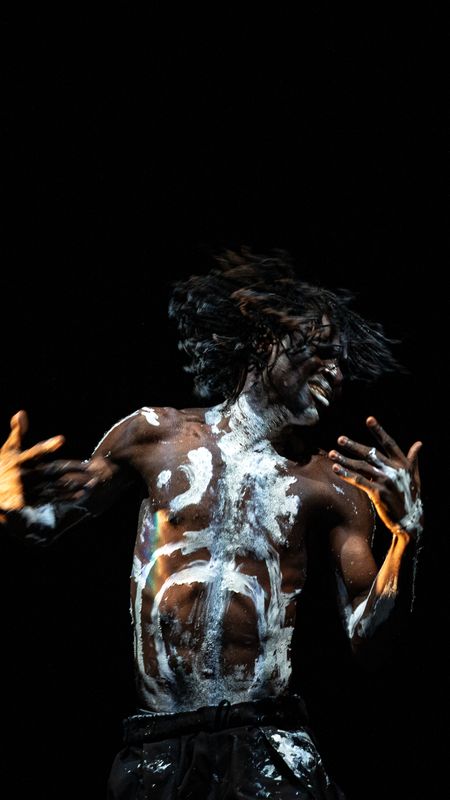
The dancers carry history in their bodies. Not as concept, but as physical reality. Through rhythm, rupture, and repetition, a language emerges that is older than words. A language of breath, bone, and movement.

Bantu is both mourning and rebirth. The stage becomes a place of memory and uprising, where every gesture says: I exist, we exist, we continue to exist.


Team

Josephine | choreografie Germaine Acogny, Alesandra Seutin perfmormer Germaine Acogny dramaturgie Mikaël Serre muziek Fabrice Bouillon-LaForest stemmen Alesandra Seutin, Jade Wheeler, Chris Brooker lichtontwerp en toneelbeeld Fabiana Piccioli, Enrico Bagnoli kostuums PALOMA, Maison d’art CHANEL

Bantu | concept en choreografie Gregory Maqoma dansers Rodolphe Allui, Anique Ayiboe, Profit Lucky, Amy Collé, Nathan Attie Botha, Roseline Olga Wilkens, Noko Moses Moeketsi, Tshepo Neolan Molusi, Nkosana Mphumeleli Fakude, Monicca Ngwakwane Magoro, Gilbert Goliath, Thabang Albert Mdlalose muziek Yogin Sullaphen kostuumontwerp Black Coffee Designs lichtontwerp Denis Hutchinson

Wachtlijst

Wensenlijstje

Toegevoegd:

Naar wensenlijstje